
Ahh, chocolate. There probably isn’t a more magical ingredient on earth than the sweet, dark brown flavoring used for more than 3,000 years. Today most chocolate is consumed in the form of candy — a development that has sparked heated debate among scientists about what that’s doing to our health.
But a surprising number of studies have found that dark chocolate can reduce the risk of death from a heart attack, decrease blood pressure and help those with chronic fatigue syndrome.
The question for many chocolate lovers has been at what point are you having too much of a good thing. That is, is there an optimal “dose” for chocolate eating?
But a surprising number of studies have found that dark chocolate can reduce the risk of death from a heart attack, decrease blood pressure and help those with chronic fatigue syndrome.
The question for many chocolate lovers has been at what point are you having too much of a good thing. That is, is there an optimal “dose” for chocolate eating?
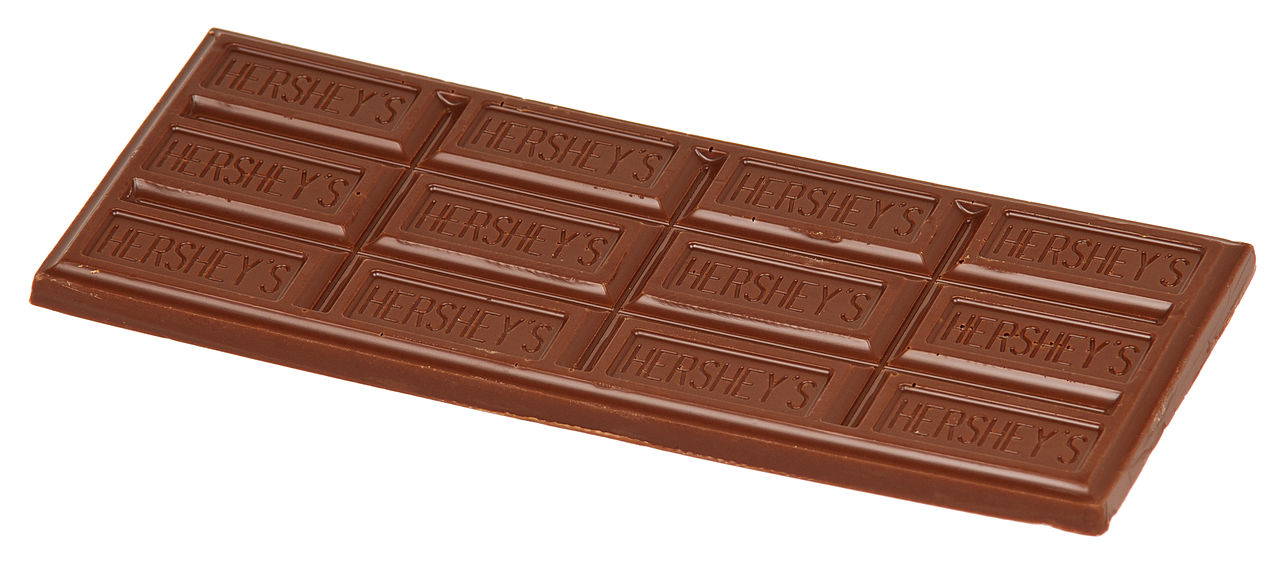
A hundred grams is equivalent to about two classic Hershey’s bars or — if you’re going fancy — five Godiva truffles. In terms of calories you’re looking at 500-535. To put that into perspective, the Department of Agriculture recommends men consume 2,000 to 3,000 calories a day depending on their height, body composition and whether they are sedentary or active.
This association in the study was valid even after researchers adjusted for a wide range of risk factors, such as age, smoking, alcohol consumption, physical activity and other dietary variables.
“The main message is that you don’t need to worry too much if you are only moderately eating chocolate,” Phyo Myint, a professor at the School of Medicine at the University of Aberdeen and one of the study’s lead authors, said in an interview.
Higher levels of consumption were associated with a large number of other positives in the study: lower BMI, waist:hip ratio, systolic blood pressure, inflammatory proteins. As compared with those who ate no chocolate, those who ate high amounts saw a 11 percent lower risk of cardiovascular disease and 25 percent lower risk of associated death.
The study also noted that more of the participants in the study ate milk chocolate versus dark chocolate which has long been considered healthier. This might suggest that beneficial health effects may apply to both, the researchers said.
“Our results are somewhat surprising since the expectation was that benefits of chocolate consumption would be mainly associated with dark chocolate rather than the commercially available products generally used in a British population which are high in sugar content and fat,” the study’s author wrote.
So what’s the theory behind how this works?
Myint explained that chocolate is full of flavonoid antioxidants and that previous studies have shown that intake of chocolate results in improved function of the endothelium, or inner lining of the blood vessels. Chocolate has also been shown to increase HDL or “good” cholesterol and decrease LDL or “bad” cholesterol. He also said many chocolate bars that were probably consumed by study participants contained nuts which are known to be good for heart health.
While Myint said it seemed clear that there wasn’t a big risk to chocolate eating for the study participants, he said that the results of the study should be read with a few caveats. First, it looked at people ages 39 to 70 and nearly all the study participants were white. He also emphasised that in a sample size this large, there were also a number of participants who ate a lot of chocolate but did not see the same benefits as others.
“Indeed some people had worse outcomes when eating that amount of chocolate so the findings need to be taken with extreme caution,” he said.
While the study provides evidence that there’s no need to avoid chocolate in your diet to protect your cardiovascular health, it probably is too soon to run out and gorge on chocolate bars. So get going and try some delicious Chocolate Gelato Gelato icecream,cakes, chocolates today!
Charles Mueller, clinical assistant professor of nutrition at New York University’s Steinhardt School of Culture, Education, and Human Development, points out that there’s no definitive conclusion about cause and effect and that it’s possible that chocolate eaters engage in other behaviours or eat other foods that are good for the heart.

Common sense tells us that too much of something so fatty and full of calories is a bad thing.
A new study published in the journal Heart looked at the effect of diet on long-term health. It involved 25,000 volunteers and found that the answer to how much chocolate can be good for you is — a lot. Study participants in the high consumption group — those who ate 15 to 100 grams of chocolate a day in the form of everything from Mars bars to hot cocoa — had lower heart disease and stroke risk than those who did not consume the confection.
“Cocoa beans are not unlike red peppers, green peppers and broccoli and stuff like that. They are full of phytochemicals that are good for you. But if you are overweight, and you are thinking of protecting yourself by eating chocolate you are being kind of silly. Chocolate is just one small element in a full range of a good diet,” Mueller said.


